
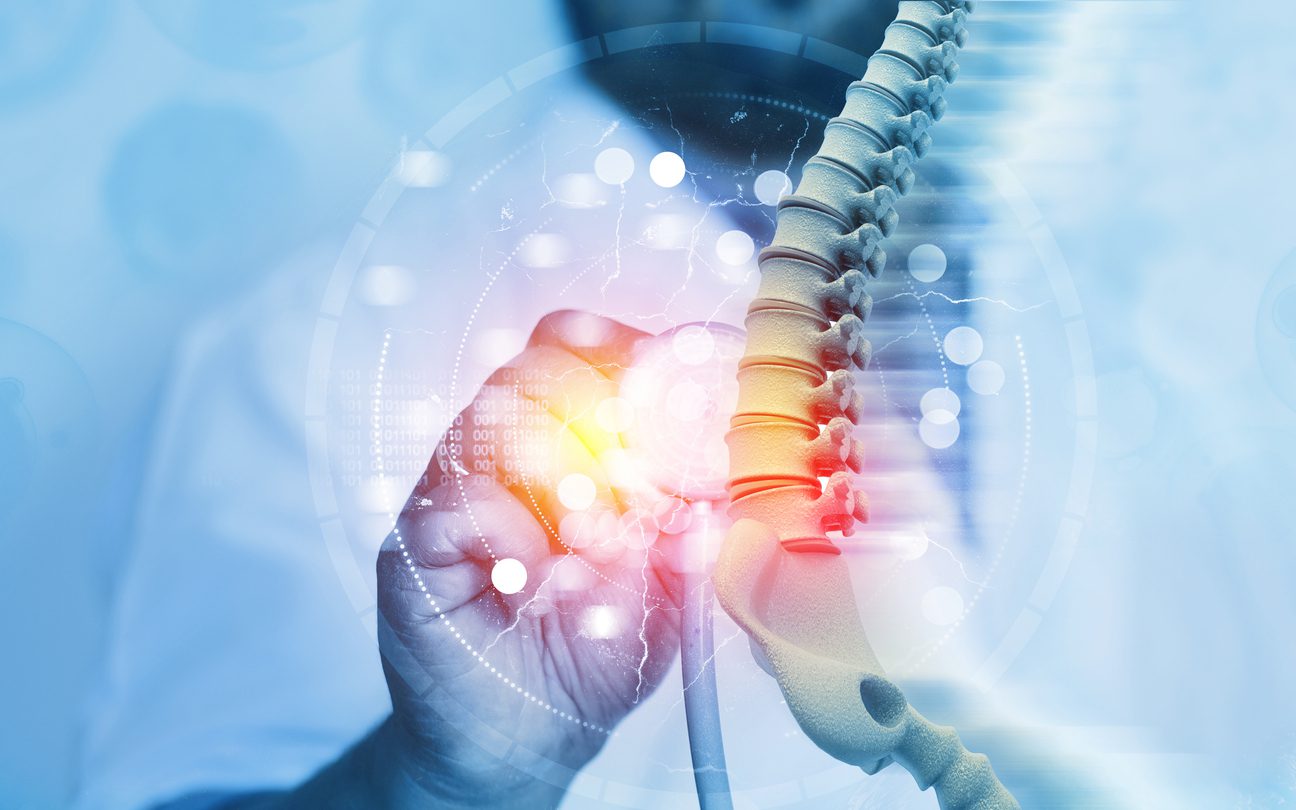
For many years, spinal fusion was considered the standard surgical treatment for a variety of degenerative spine conditions. While fusion remains an effective option for many patients, advances in technology and surgical techniques have expanded the range of treatments available today.
One of the most significant developments has been the growth of motion-preserving spine surgery. Rather than eliminating movement at a spinal segment, these approaches aim to maintain as much natural motion as possible while addressing the underlying cause of pain or neurological symptoms.
Understanding the Traditional Approach
Spinal fusion works by permanently joining two or more vertebrae together. The procedure can stabilize the spine, relieve nerve compression, and reduce pain associated with certain conditions.
For many patients, fusion continues to provide excellent outcomes. However, because the treated segment no longer moves, researchers and surgeons have spent decades exploring alternatives that could preserve motion while still delivering symptom relief.
This search for new solutions helped drive the development of motion-preserving technologies.
The Rise of Artificial Disc Replacement
One of the most well-known examples of motion-preserving spine surgery is artificial disc replacement.
Artificial discs are designed to replace damaged spinal discs while maintaining movement at the treated level. Unlike fusion, which restricts motion, artificial disc replacement allows the spine to continue functioning more naturally.
As implant technology has improved, artificial disc replacement has become an increasingly important option for carefully selected patients with certain cervical and lumbar spine conditions.
Why Motion Preservation Matters
The spine is designed to move. Every day, it bends, twists, rotates, and absorbs forces generated by routine activities.
Preserving motion may offer several potential benefits, including:
- Maintaining more natural spinal mechanics
- Supporting flexibility and range of motion
- Reducing stress on nearby spinal levels
- Helping patients return to normal activities
It is important to note that motion preservation is not appropriate for every patient or every diagnosis. The goal is not simply to avoid fusion, but to select the treatment that best matches the patient’s condition and long-term goals.
Advances Beyond the Implant
The evolution of motion-preserving spine surgery is not limited to artificial discs alone.
Improvements in imaging, navigation technology, minimally invasive surgical techniques, and patient selection have all contributed to better outcomes. Surgeons now have access to tools that allow for more personalized treatment planning than ever before.
This shift reflects a broader trend throughout healthcare: moving away from one-size-fits-all treatment models and toward individualized care strategies.
The Importance of Patient Selection
Perhaps the most important lesson learned during the evolution of motion-preserving surgery is that success depends heavily on choosing the right patients.
Factors such as age, spinal stability, overall health, anatomy, and the specific cause of symptoms all influence whether a motion-preserving procedure is appropriate.
This is why experienced spine specialists spend significant time evaluating imaging, symptoms, physical findings, and treatment history before recommending surgery.
Organizations with extensive experience in modern spine care, including the specialists at DISC MD Group, often emphasize the importance of matching the procedure to the patient rather than fitting the patient into a predetermined procedure.
Looking Toward the Future
Motion-preserving spine surgery continues to evolve as technology advances and clinical research expands. New implant designs, improved surgical techniques, and a deeper understanding of spinal biomechanics are helping shape the future of treatment.
While spinal fusion will remain an important tool in spine surgery, the continued growth of motion-preserving options reflects a larger goal shared by many specialists: helping patients relieve pain, maintain function, and preserve quality of life whenever possible.